

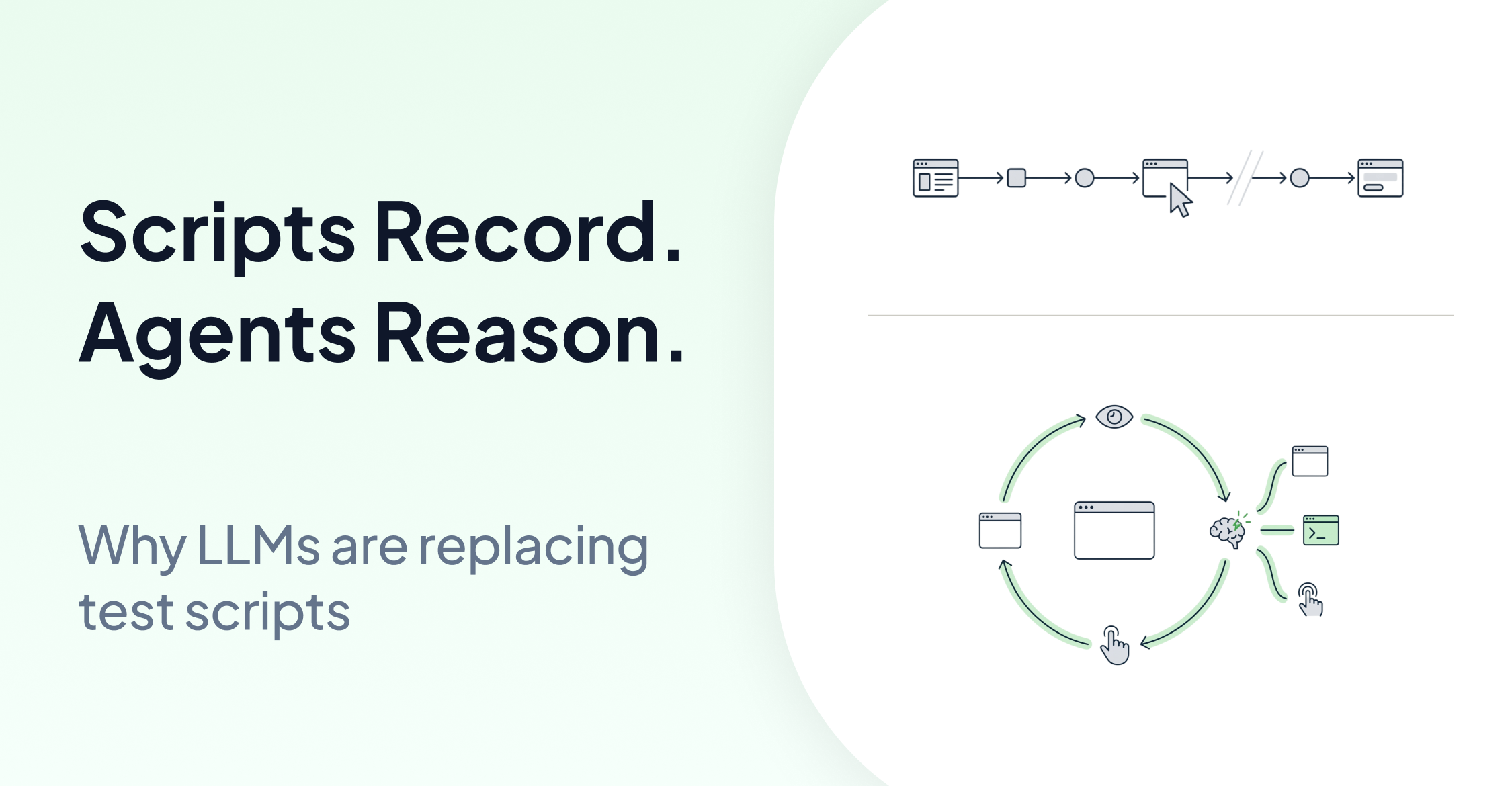
TLDR
AskUI is revolutionizing UI automation by integrating with Large Language Models (LLMs) to translate natural language instructions into executable commands. This vision-based approach, which mimics human perception, streamlines workflows and democratizes automation, making it accessible to a wider audience and accelerating rapid prototyping and testing.
Introduction
In today's rapidly evolving technological landscape, quick and efficient prototyping and testing are more vital than ever. The rise of powerful tools like GPT and other Large Language Models (LLMs) offers businesses an unprecedented opportunity to accelerate these critical processes. This article explores how integrating AskUI with LLMs can transform real-world applications.
AskUI: Vision-Based UI Automation Redefined
AskUI stands out as a UI automation tool that transcends the limitations of traditional solutions like Selenium. While Selenium depends on a website's underlying code, which can break with code changes, AskUI employs vision-based techniques, mimicking human perception to identify UI elements.. This empowers AskUI to automate tasks not only on web applications but also on desktop applications, establishing it as a versatile automation solution. By leveraging object detection and advanced methods, AskUI replicates human interaction, enabling users to instruct the system to perform actions such as clicking a specific button or navigating through a user interface.
The Power of a User-Friendly Domain Specific Language (DSL)
One of AskUI's defining characteristics is its user-friendly Domain Specific Language (DSL). A command such as 'aui.click().button().withText("Hello World").exec();' is designed for clarity and ease of understanding. To further broaden its appeal, AskUI aims to seamlessly translate natural language instructions into AskUI DSL commands..
LLMs: Bridging the Gap Between Natural Language and DSL
AskUI's enhanced accessibility is primarily due to its capability to translate natural language into DSL commands using LLMs. For example, the instruction "click on the SignUp button" can be automatically converted into the corresponding DSL command using an LLM such as GPT. This eliminates the need for users to learn complex syntax, allowing them to interact with the system in a more intuitive and natural way.
Streamlining Workflows with Vision and Natural Language
The integration of vision-based UI automation with natural language processing significantly streamlines workflows. By converting natural language instructions into executable commands, the automation process becomes more accessible to a wider range of users.. This "click to command conversion" is a key enabler for rapid prototyping and testing.
Conclusion
AskUI, fueled by vision-based automation and augmented by LLMs, presents a revolutionary approach to UI automation. By translating natural language into executable DSL commands, AskUI democratizes the automation process, making it accessible to users of all technical backgrounds. Its ability to rapidly prototype and test ideas through intuitive commands and vision-based element recognition positions AskUI as a crucial tool for businesses seeking to accelerate their development cycles and enhance user experiences. Sign up for a free AskUI trial to experience its visual UI automation features firsthand.
FAQ
How does AskUI's vision-based approach differ from traditional UI automation tools like Selenium?
AskUI uses vision-based techniques to identify UI elements, mimicking human perception. Unlike Selenium, which relies on a website's underlying code, AskUI is not affected by code changes. This allows it to automate tasks on both web and desktop applications, reducing false positives and providing a more robust automation solution.
Can non-technical users effectively utilize AskUI?
Yes! AskUI integrates with Large Language Models (LLMs) to translate natural language instructions into executable commands. This eliminates the need for users to learn complex syntax or have extensive technical knowledge, making it accessible to a broader audience.
What are the primary benefits of integrating AskUI with LLMs?
The integration streamlines workflows by simplifying the automation process. Converting natural language instructions into executable commands makes it easier for users to automate tasks and reduces testing time. This leads to faster development cycles and improved user experiences.
What types of applications can AskUI automate?
AskUI can automate tasks on both web and desktop applications. Its vision-based approach allows it to interact with any UI element, regardless of the underlying code, making it a versatile automation solution.
How does AskUI contribute to faster development cycles?
By automating testing processes and simplifying the creation of automation scripts, AskUI reduces the time and effort required for testing and development. This allows businesses to rapidly prototype and test ideas, accelerating their development cycles.