 YouYoung Seo
TLDR
In modern software systems, the visual UI is only the final output layer. One of the most critical and least obvious risks is the Consistency Gap, a state where the UI appears functional but contradicts the internal API or middleware state. As systems become more distributed and autonomous, this gap becomes harder to detect.
In 2026, Cross-layer Verification has emerged as a new standard, validating what users see against what the system actually executes.
Agentic AI makes this possible by verifying visual output and system behavior together, closing the gap where silent failures hide.
1. The Illusion of the Visual Surface
Conceptually, the UI is a mirror reflecting internal data. If the mirror is cracked or disconnected, it can create a dangerous illusion of correctness.
A common failure in modern software testing is assuming that if a button renders correctly and responds to clicks, the system is healthy. In reality visual rendering is only the final stage of a complex data pipeline, not the source of truth itself.
The Risk of Silent Failures: For example, a user might see a “Payment successful” message while the backend transaction actually failed or timed out. This is Consistency Gap which is a disconnection between the visual surface and the middleware state that becomes a primary driver of data corruption and user distrust in enterprise environments.
2. Innovation: Cross-layer Verification
To bridge this gap, testing must evolve beyond UI or API checks.
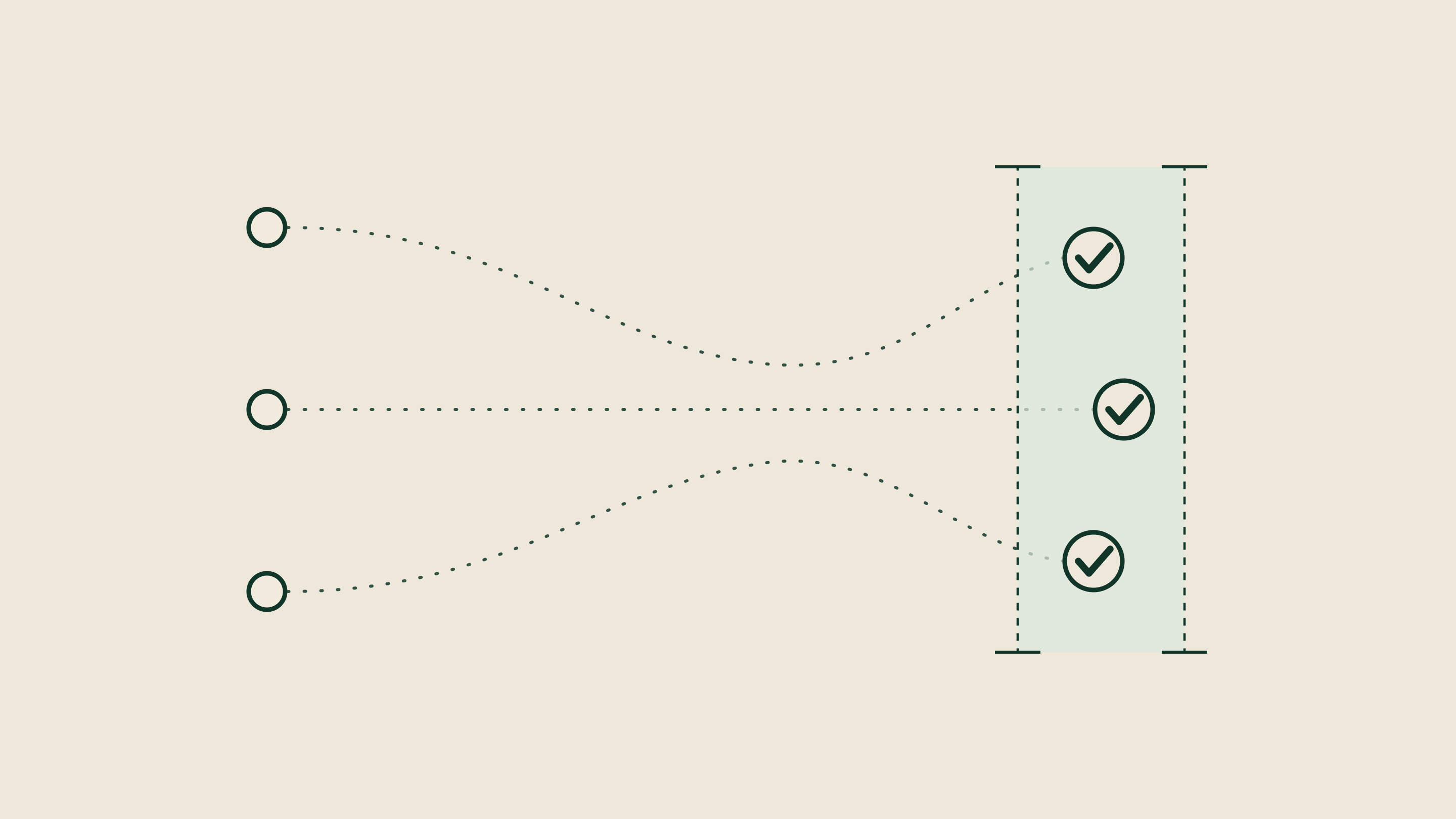
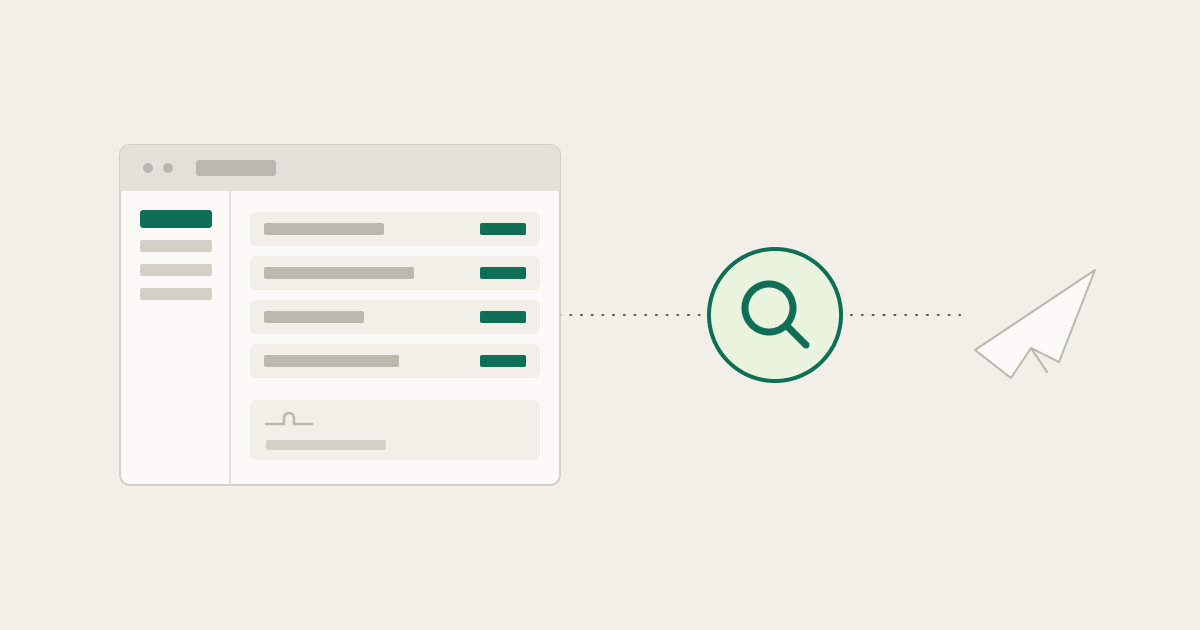
Cross-layer Verification validates system behavior across layers in a single execution loop, observing the UI while simultaneously auditing underlying system state.
-
Visual state synchronicity: Making sure the visual state of the UI is perfectly synchronized with the API responses and database transaction in real time.
-
Data integrity: Tracking the entire lifecycle of a command from the moment an agent interacts with a UI element to its final transformation in the middleware and storage layers.
-
Agentic AI reasoning (instead of brittle scripts): Rather than blindly executing predefined steps, an agent evaluates whether the visual output and system state agree, detecting contradictions that traditional DOM-based tools cannot see.
3. AskUI: Infrastructure for the Agentic Era
Closing the Consistency Gap requires more than code-level access. A system must be able to perceive interfaces as humans do, while validating execution with machine-level precision.
AskUI provides the foundation by enabling AI agents to interact with real interfaces like desktop, mobile, or specialized HMI while coordinating verification logic beyond the UI layer.
Closing Gap Through Perception and Action
-
Interface intelligence (the eyes): AskUI recognizes UI elements visually rather than relying on selectors. It validates what is actually rendered on screen, not just what the code claims to display.
-
System level execution control: Agents operate at the OS and application level, enabling interaction with any interface while verification logic runs in parallel. This creates real time handshake between output and system behavior.
-
Cross-platform Consistency: The same verification logic applies across Windows, macOS, Linux, and complex enterprise environments, maintaining a single source of truth regardless of platform.
Beyond pixels, Toward Truth
True digital reliability is determined not by how a UI looks, but by how accurately it reflects the internal state of the system. Visual rendering is only the surface. When the connection to the underlying data breaks, trust erodes silently.
By adopting Cross-layer Verification with AskUI, organizations move from simulating user actions to validating execution truth. In the era of Agentic AI, the goal is no longer just automation, it is ensuring that every digital interface is a faithful representation of what the system actually does.
FAQ
Q: How does AskUI detect silent failures that traditional automation tool miss?
A: Traditional DOM based tools like Selenium or Playwright verify the underlying HTML code, which can be deceptive if the UI renders correctly despite logic failure. AskUI validates the visual output itself while coordinating verification logic across system layers, allowing agents to detect real-time contradictions between what is shown and what is executed.
Q: Why is Cross layer Verification necessary if I already have separate API and UI test?
A: Isolated tests often pass independently while failing together. API test validate data sources, UI test validate presentation, but neither confirms that two remain synchronized. Cross layer Verification bridges the gap by validating visual manifestation and system state in a single execution flow.