

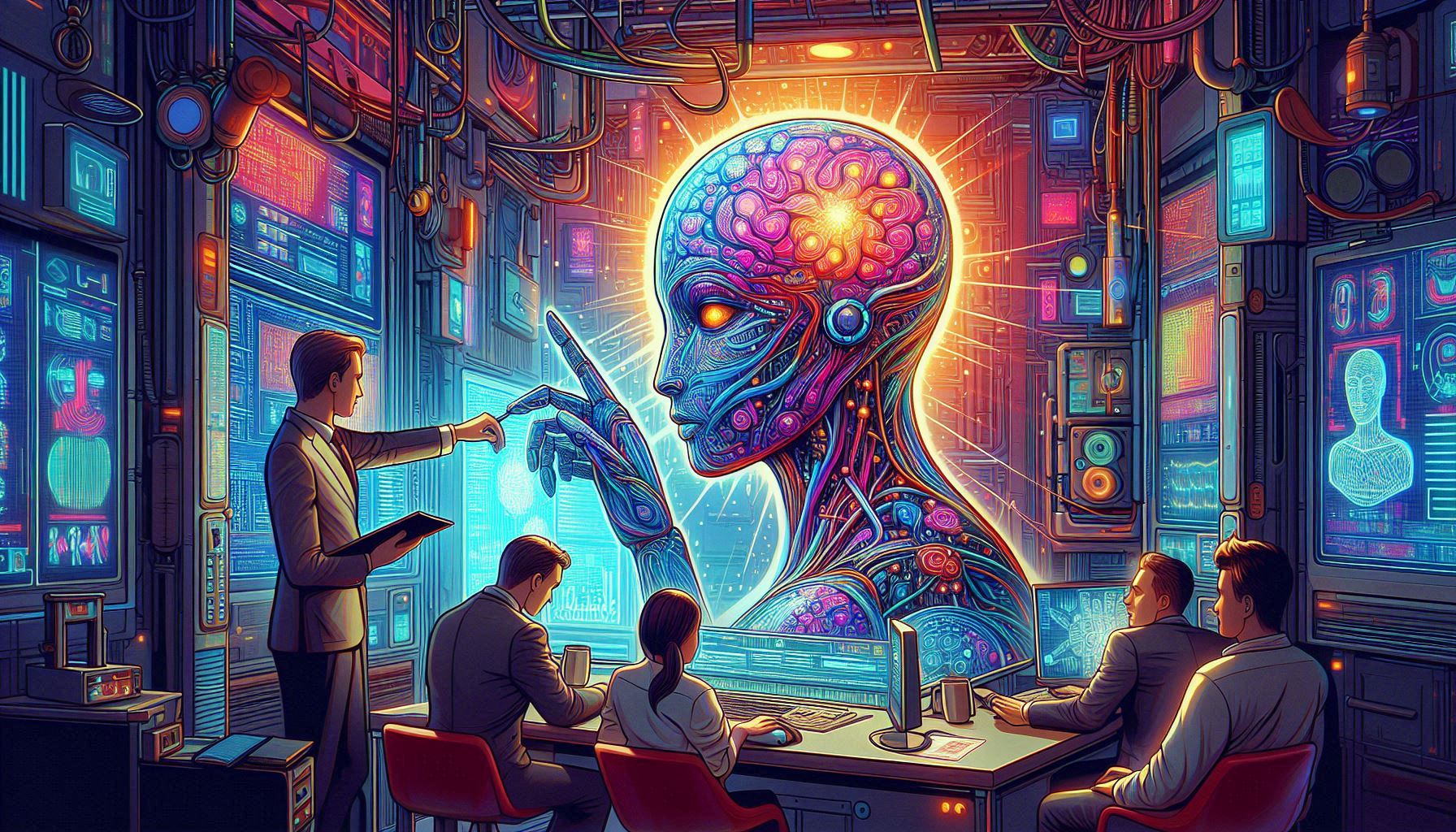
TLDR
Multimodal AI significantly improves UI testing through visual validation, broad data type support, and adaptation to mobile app complexities. AI-powered tools enhance test coverage, improve accessibility, and address security challenges, leading to more robust and user-friendly applications.
Introduction
Multimodal AI is revolutionizing UI testing, particularly with advancements in visual application validation. AI-driven test bots, empowered by computer vision, can now assess interfaces with human-like perception, dramatically increasing test coverage and reducing manual effort. This shift promises to alleviate tester frustration and unlock new levels of efficiency.
The Power of Sight: Visual Application Validation
One of the most impactful applications of multimodal AI in UI testing is visual application validation. Traditional UI testing methods often fall short when dealing with complex graphical interfaces. However, AI-powered test bots equipped with computer vision can now validate interfaces with a level of understanding comparable to human testers. This reduces the reliance on manual visual inspection, freeing up valuable time and resources for other critical tasks.
Beyond the Text: Handling Diverse Data Types
AI-powered UI test tools excel at handling a wide range of applications and data types, transcending the limitations of traditional testing approaches. These tools possess the ability to interpret images, videos, and even speech within the testing process. This broad capability facilitates seamless integration of accessibility features, ensuring that applications are inclusive and usable by a diverse audience.
Mobile Mastery: Adapting to the Mobile Landscape
The exponential growth of mobile apps has created a critical need for robust automated testing tools that can address the unique challenges of the mobile environment. UI test tools must adapt to real-world, end-to-end user scenarios, including enhanced testing for security vulnerabilities, such as those outlined in the OWASP Mobile Top 10, as well as other functional complexities inherent in mobile applications. This ensures that mobile applications are not only functional and user-friendly but also secure and resilient against potential threats.
Conclusion
AI-infused UI test tools are fundamentally reshaping the testing landscape, ushering in a new era of efficiency and effectiveness. From visual validation to handling diverse data types and adapting to the intricate demands of mobile app testing, these tools offer unparalleled test coverage, enhanced inclusivity, and robust security. Whether you're a seasoned testing professional or just starting out, the integration of AI into UI testing presents exciting opportunities to elevate the quality and user experience of your applications.
FAQ
How does multimodal AI improve visual validation in UI testing?
Multimodal AI, particularly through computer vision, allows test bots to "see" and interpret UI elements in a similar way to human testers. This enables them to identify visual defects and inconsistencies that traditional testing methods might miss, resulting in more thorough and accurate visual validation.
What types of data can AI-powered UI test tools handle?
AI-powered UI test tools are capable of handling a wide range of data types, including text, images, videos, and even speech. This versatility allows for more comprehensive testing scenarios that mimic real-world user interactions, ensuring a more robust and user-friendly application.
How does AI contribute to mobile app security testing?
AI can enhance mobile app security testing by automating the detection of common vulnerabilities, such as those listed in the OWASP Mobile Top 10. AI-powered tools can also learn from past security breaches and adapt their testing strategies to identify new and emerging threats, providing a proactive approach to security.
What are the benefits of using AI-powered UI test tools for accessibility testing?
AI-powered UI test tools can automatically identify accessibility issues, such as inadequate color contrast, missing alt text for images, and keyboard navigation problems. This helps ensure that applications are usable by people with disabilities, promoting inclusivity and compliance with accessibility standards.
Is it difficult to implement AI-powered UI testing in an existing testing workflow?
The ease of implementation depends on the specific tool and existing infrastructure. However, many AI-powered UI testing tools are designed to integrate seamlessly with existing testing frameworks and offer user-friendly interfaces and documentation to simplify the transition. Starting with a pilot project or focusing on specific areas where AI can provide the most immediate value can be a good approach.